 |
  |
||||||||||||
|
|||||||||||||










|
1. |
What type of topologies are employed in online ups configurations? | |||||||||||||||||||||||||||||||||
| To
satisfy the requirements of various applications and from the view
point of criticality in operation, different topologies are employed
in Online ups. The complexity and sophestication increases in ascending
order. Hotstandby online ups configuration: |
||||||||||||||||||||||||||||||||||
 |
||||||||||||||||||||||||||||||||||
|
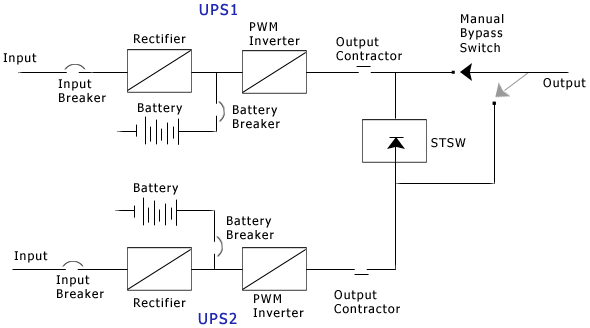
This configuration comprises of two units of online ups's (named online ups1 & online online ups2). When online ups1 is delivering power to the load, online ups2 remains idle. In case of failure in the inverter of online ups1, static switch is enabled thereby providing uninterrupted power to the load through online ups2. online ups1 runs in synchronism with online ups2, ensuring no break transfer from online ups1 to online ups2. Under healthy conditions, the batteries get charged through their corresponding rectifiers. |
||||||||||||||||||||||||||||||||||
| Parallel redundant online ups configuration: | ||||||||||||||||||||||||||||||||||
 |
||||||||||||||||||||||||||||||||||
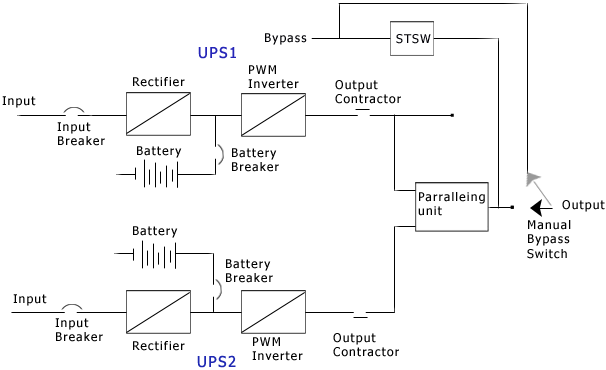
| Online ups 1 & online ups 2 are paralleled together through a paralleling unit. The output load is shared equally (50%) by both the Online upss under healthy conditions. Both the Online ups systems are synchronized with bypass. Upon failure of online ups1, the entire load is taken care off by online ups2 & vice versa. The bypass static switch is enabled only when the both online ups systems fail, providing immediate power to load. The batteries are independently charged through their respective rectifiers. | ||||||||||||||||||||||||||||||||||
| Truth Table: |
||||||||||||||||||||||||||||||||||
|
||||||||||||||||||||||||||||||||||
| Critical non-critical system of online ups | ||||||||||||||||||||||||||||||||||
 |
||||||||||||||||||||||||||||||||||
|
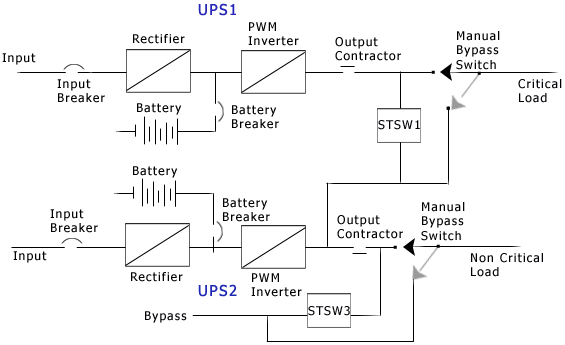
Online ups 1 & online ups 2 deliver power to the critical &
non-critical loads respectively under healthy conditions. online ups 1 synchronizes
with online ups 2 & online ups 2 synchronizes with the bypass. In case of a
critical inverter failure, critical load works on online ups 2 through enabled
STSW1, simultaneously transferring the non-critical load to Bypass
by activating STSW3 & inhibiting STSW2. The restoration of the
critical inverter will be responsible for retransferring the loads
of their corresponding inverters. The batteries are charged through
their corresponding rectifiers. |
||||||||||||||||||||||||||||||||||
| Truth Table of Online ups : | ||||||||||||||||||||||||||||||||||
|
||||||||||||||||||||||||||||||||||
|
2. |
Is Online ups better ? | |||||||||||||||||||||||||||||||||
|
Online ups provides better overall power protection to your computers and peripherals. This protection includes power conditioning, regulated voltage and frequency and zero transfer time to battery during mains failure. |
||||||||||||||||||||||||||||||||||
|
3. |
How do I install my Online ups? | |||||||||||||||||||||||||||||||||
Online ups needs to be installed under supervision of a qualified
technician. |
||||||||||||||||||||||||||||||||||
|
4. |
What about After Sales Services of online ups? | |||||||||||||||||||||||||||||||||
|
Every
online ups needs to be serviced every 6 months to ensure its proper operation
and battery condition. And every customer of Jet Electro has free access to our customer support. |
||||||||||||||||||||||||||||||||||
|
5. |
What is Load Crest Factor of online ups? | |||||||||||||||||||||||||||||||||
|
A pure sine waveform has a peak value, which is 1.414 times the RMS value indicated on a voltmeter. A resistance or any linear load connected to such a voltage source draws currents having similar waveforms and hence has a crest factor of 1.4. As against this, the non-linear loads as described above may demand currents whose peak value to RMS ratios are 2 to 5 or more. This ratio of peak to RMS is termed as the crest factor, and is indicative of the degree of non-linear load handling capability of the online ups. |
||||||||||||||||||||||||||||||||||
|
6. |
What is Static Regulation of online ups ? | |||||||||||||||||||||||||||||||||
|
A regulated voltage source such as inverter section
of online ups is expected to maintain the voltage at a predefined
level, irrespective of changes in supply, 1.e. DC input voltage
or load current levels. The percentage deviation of the output,
as a result of load or dc input change,after the output voltage
has settled to a new level is defined as the static or steady state
regulation. |
||||||||||||||||||||||||||||||||||
| 7. | What is Dynamic or Transient Regulation of online ups? | |||||||||||||||||||||||||||||||||
|
The percentage deviation of the output from its steady state value immediately following a disturbance such as sudden change of DC supply voltage or load current is termed as dynamic/transient regulation. This deviation is generally much larger than the steady state value specified as voltage regulation, and incidentally is a measure of the speed of response of inverter control system. Since by defination this is a transient quantity, not only the deviation but the time to bring the voltage back to the steady state regulation level is also an important index of performance. Jet Electro's Online ups have the Dynamic Regulation on Output voltage. |
||||||||||||||||||||||||||||||||||
|
||||||||||||||||||||||||||||||||||